





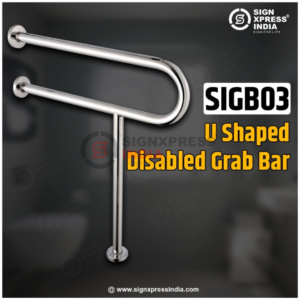
Disabled Grab Bar

Signxpress India has taken an initiative on Social Cause, Mandatory to provide Barrier-free accessibility in Schools-Colleges’ Buildings for Vision Impaired – Blind people.

Toilet Grab Bars, Bathroom Grab Bars, Bathroom Grab Bars For Elderly, Handicap Toilet Grab Bars, Toilet Grab Bars For Elderly

Disabled Grab Bar: Practical Support That Makes a Real Difference

A disabled grab bar might look like a simple piece of hardware, but in the real world, it plays a huge role in helping people move safely and independently. Whether it’s in a public restroom, hospital, or private home, installing the right grab bar for a disabled toilet can prevent accidents, provide essential support, and restore confidence to those who need it most.

At Signxpress India, we focus on delivering well-designed, durable, and safe accessibility products — and grab bars are a big part of that mission. In this guide, we’re going to walk you through everything you need to know: types of grab bars, how to choose the right one, where to install them, common mistakes to avoid, and why quality matters more than you think.
What Is a Disabled Grab Bar?

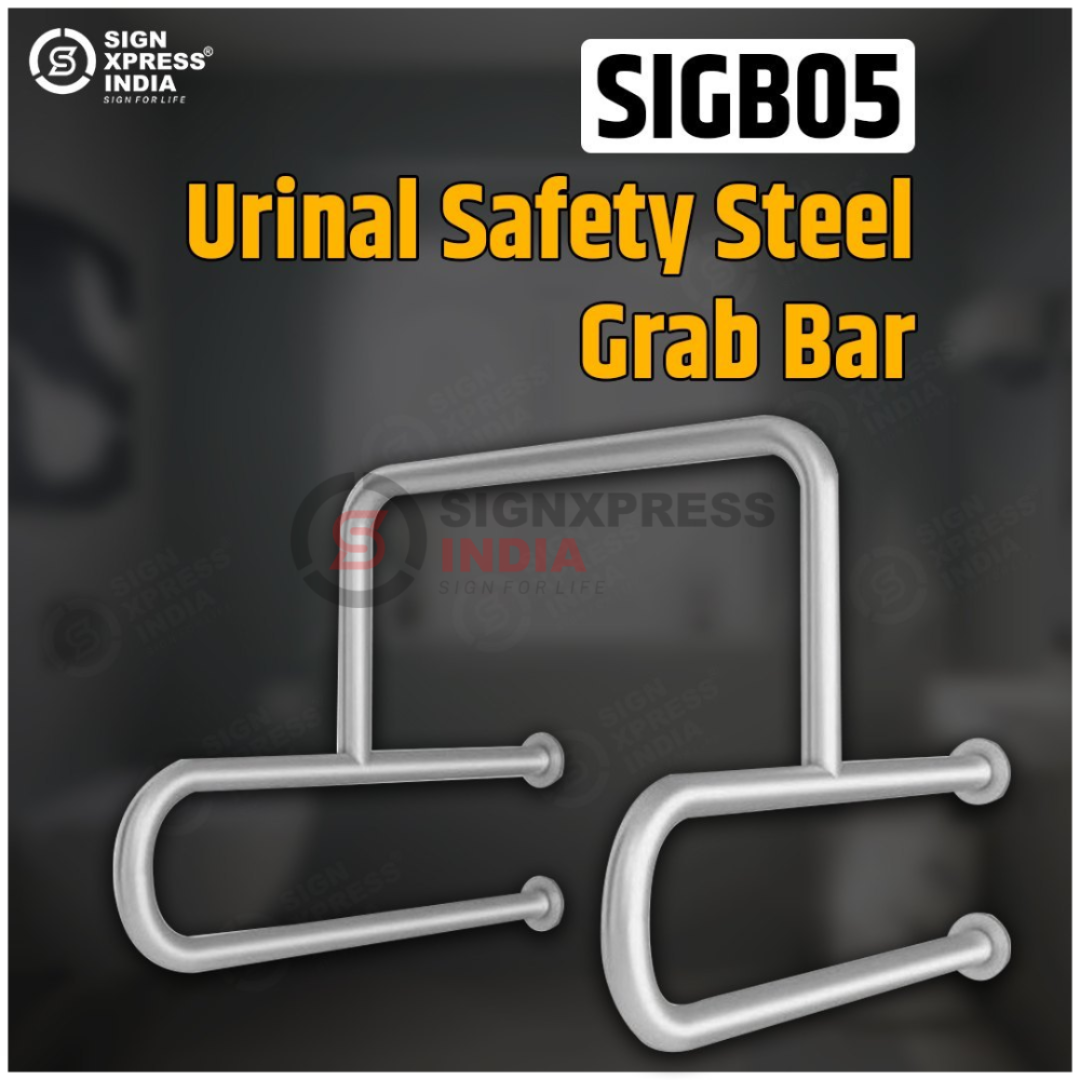
A disabled grab bar, also known as a disabled grab rail or grab handle, is a safety device designed to support people who have limited mobility. It’s most commonly used in toilets, bathrooms, and showers, but you’ll also see them in ramps, hallways, and changing rooms.

The goal is simple: give people something solid to hold onto when sitting, standing, or moving between positions. It’s not about making a space look accessible — it’s about actually making it functional and safe for those who rely on it.


Real Problems People Face Without Grab Bars

Let’s talk about the real issues people deal with every day:

  • Slipping while getting off the toilet
  • No support while sitting down or standing up
  • Struggling with balance after surgery or injury
  • Fear of using public restrooms
  • Needing constant help just to use the bathroom
  • Installing a grab bar might not seem like a big deal, but to someone dealing with any of those challenges, it can be the difference between independence and dependency.

Here’s a quick table showing how grab bars solve specific issues:

Problem How a Disabled Grab Bar Helps
Losing balance after sitting Horizontal bars offer strong, steady support
Weak grip or unsteady hands Textured or knurled surfaces improve grip
Small or slippery bathrooms Foldable bars or vertical handles provide extra control
Needing help for basic movements Grab rails restore dignity and independence
Recovery from injury or surgery Encourages safe, gradual movement with less strain
Toilet Grab Bars , Bathroom Grab Bars, Bathroom Grab Bars For Elderly, Handicap Toilet Grab Bars, Toilet Grab Bars For Elderly

Types of Grab Bars and Which One to Choose

Grab bars aren’t one-size-fits-all. Choosing the right type depends on the user’s needs and the layout of the space.

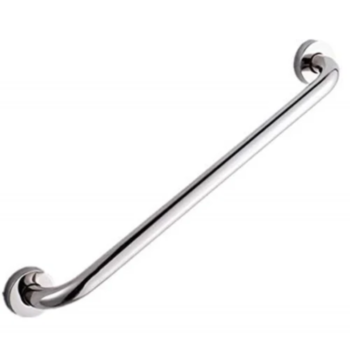
Straight (Horizontal) Grab Bars
Installed next to toilets or in showers. Ideal for pushing off or holding for balance.

Vertical Grab Bars
Good for entry points — like doorways or near sinks — for gripping during transitions.

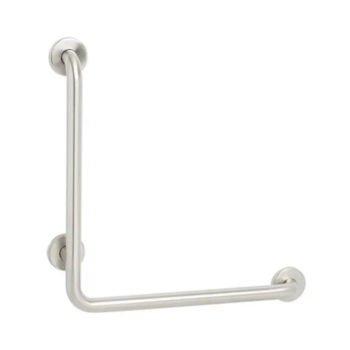
Angled Grab Bars
Combines vertical and horizontal support. Useful for people who need help with both sitting and standing.

Foldable Grab Bars
Perfect for small spaces or multi-user restrooms. They fold away when not in use, freeing up room.

Textured or Non-Slip Bars
Ideal for wet areas like showers. They reduce the risk of slipping, even with soapy hands.

When you’re choosing a bar, think function first. Look at the user’s strength, hand size, reach, and the surface they’ll be standing on. It’s also important to check whether the bar is compliant with accessibility standards.

Where Should Grab Bars Be Placed in a Disabled Toilet?

The placement of a grab bar is just as important as the type. If it’s too high, too low, or too far away, it won’t be helpful — and might even be dangerous.

Here are the most common and recommended grab bar locations in a disabled toilet:

  • Beside the toilet on the wall – usually horizontal, helps with lowering and pushing up
  • Behind the toilet – gives extra stability when sitting back
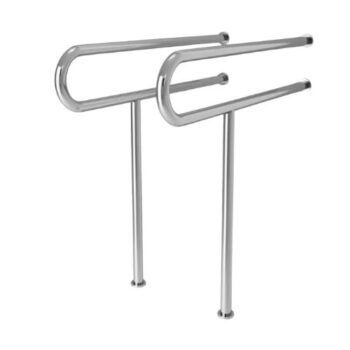
  • On the opposite side (foldable) – supports users who transfer from a wheelchair
  • Near the sink – helps with balance while washing hands
  • Inside the shower area – vertical for entering, horizontal for standing support

A good rule of thumb is to install bars between 800 mm to 900 mm from the floor level, depending on the user’s height and comfort. Always use proper hardware and check weight ratings. A grab bar should support at least 120 kg safely.


Materials and Finishes That Matter

The most common — and reliable — materials for disabled grab bars are:

Stainless Steel (SS 304 or SS 316)
Rust-resistant, easy to clean, and durable. Great for both commercial and residential use.

Aluminum
Lightweight and corrosion-resistant. Good for less demanding environments.

Powder-Coated or Plastic-Coated Steel
Adds grip and color contrast, especially useful for people with visual impairments.

For high-traffic public places, stainless steel grab bars offer the best mix of hygiene, durability, and aesthetics.


Installation Basics and Safety Tips

You don’t need to be an expert to know if a grab bar is installed right. It should feel rock solid — no movement, no bending, no flex.

Key points to remember during installation:

  • Always anchor to a solid wall or reinforced backing
  • Use screws and wall plugs designed for heavy-duty use
  • Double-check height and alignment before drilling
  • Test with full body weight after installation
  • Avoid mounting on thin tiles or hollow walls without support

At Signxpress India, we provide easy-to-install models along with guidance to ensure you get it right the first time.

Why Compliance Is Non-Negotiable

Installing a disabled grab handle isn’t just about being helpful — it’s also about meeting legal requirements. Depending on your country or region, public facilities are required by law to provide accessible toilets and support devices.

In India, accessible design is guided by the RPwD Act and the guidelines under the Accessible India Campaign. Internationally, ADA (USA) and ISO standards define measurements, angles, and strength requirements. Make sure any product you choose — and its installation — follows the relevant standards.

Conclusion

A disabled grab bar isn’t just a fixture — it’s a bridge to independence. It gives people the power to move without fear, maintain their dignity, and navigate spaces with confidence. Whether you’re building a new facility or retrofitting an existing one, proper grab bar installation is a small investment that delivers massive value.

These bars may seem like simple tools, but their impact is deeply personal and life-changing. For someone recovering from surgery, living with a disability, or aging gracefully, even basic tasks can feel risky without the right support. A well-placed grab rail can turn hesitation into confidence and restore a sense of control over one’s environment.

That’s why choosing the right partner matters. At Signxpress India, we combine expert craftsmanship with user-centric design. Our disabled grab bars are made with durable, rust-proof materials, tested for real-world use, and designed to blend seamlessly into any space — modern, commercial, or residential.

Choose materials that last, designs that make sense, and a team that understands what people really need. That’s what we offer at Signxpress India — accessibility that works in the real world.

If you’re serious about making your space safer, smarter, and more inclusive, we’re here to support you every step of the way.

Disabled Grab Bar

FAQs

A disabled grab bar helps people with limited mobility to safely sit, stand, or move in bathrooms and toilets. It provides strong support and reduces the risk of slipping or falling.

Grab bars in a disabled toilet should be installed beside and behind the toilet seat. Common grab bar locations include near the sink, inside the shower, and beside the toilet for easy reach and balance.

Stainless steel grab bars are the best choice. They are strong, rust-proof, and long-lasting. Stainless steel disabled grab handles also look modern and are easy to clean.

Yes, in most countries including India, public toilets must include disabled grab rails to meet accessibility standards. It ensures safe and equal access for all users, especially those with disabilities.

Grab bars offer individuals the support they need to move around the bathroom safely without depending on others for assistance. This added security helps elderly people or those with disabilities feel more confident in their ability to perform everyday tasks. By having something to hold onto, users gain more independence and are less likely to experience a fall or injury.

Leave a Reply

Your email address will not be published. Required fields are marked *

My Cart
Categories
Phone

Download PDF CATALOG

Skip to content